How Xiaohongshu (RED) Makes Vancouver Restaurants Go Viral
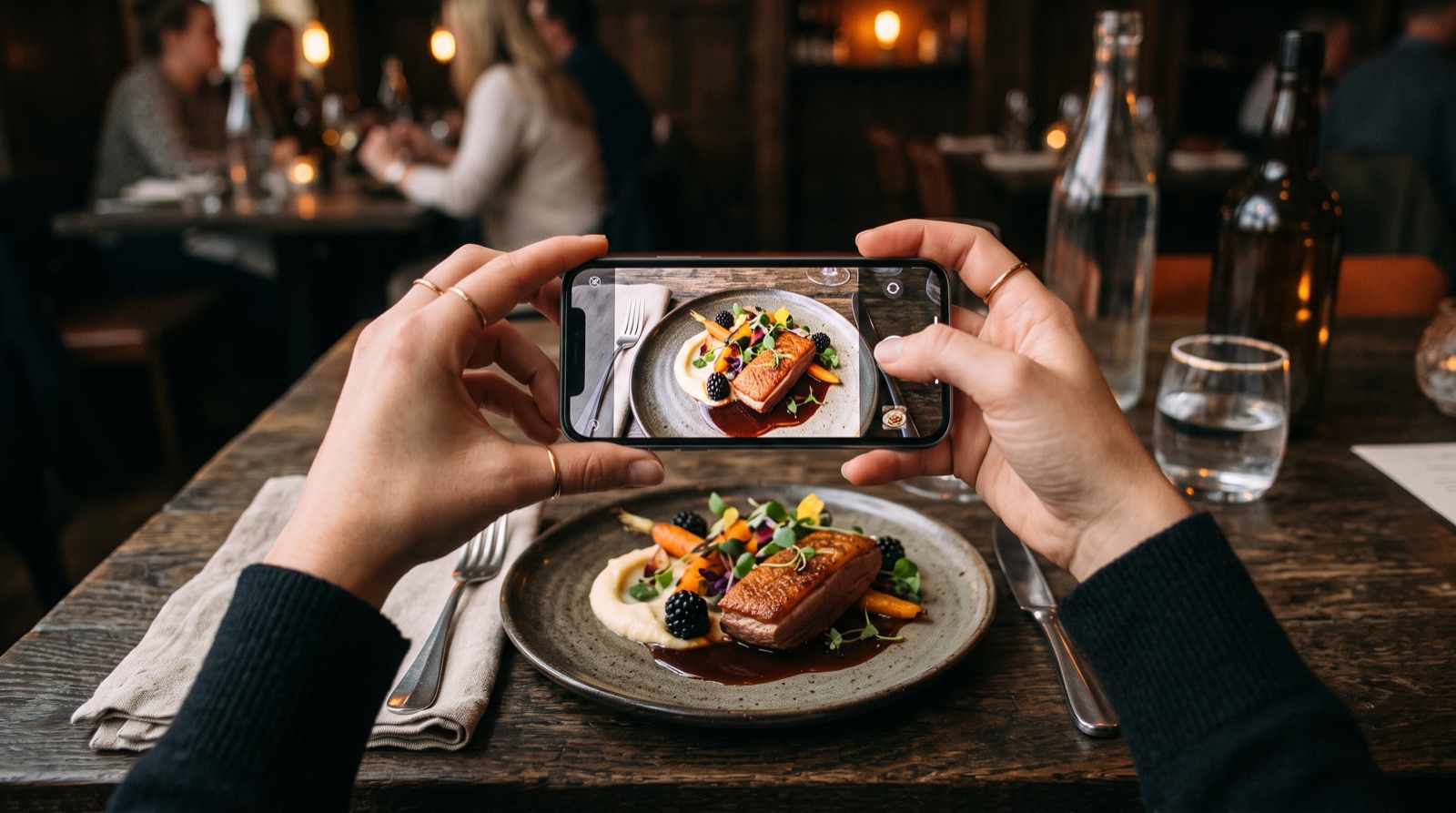
If you run a restaurant anywhere in Metro Vancouver and you’ve ever had a sudden, unexplained lineup of young Mandarin-speaking customers all ordering the same dish, there’s a good chance you went viral on Xiaohongshu — and never knew it.
We wrote previously about why the Chinese-Canadian market needs its own strategy. This piece zooms in on one platform and one industry, because the pattern is so consistent it’s practically a playbook: Xiaohongshu (RED) is the single most powerful restaurant discovery engine for Chinese-speaking diners in this region, and almost no restaurant owner is deliberately working with it.
Why RED, specifically
For recent immigrants and international students, RED isn’t social media — it’s the search engine for real life. Before trying a new restaurant, the default behaviour is to search the restaurant’s name (or just “Richmond hotpot” or “Burnaby brunch”) and read what peers have posted. Notes read like recommendations from a trusted friend, not advertising, which is exactly why they convert.
Google reviews and Instagram still matter for other audiences. But if your restaurant is invisible on RED, you are invisible to a large, high-frequency, dining-obsessed segment of this market.
Anatomy of a viral restaurant note
Viral RED notes about restaurants share a recognizable structure:
A cover photo that stops the scroll. Usually one hero dish, shot close, in good light. Not a menu collage — one image that makes someone hungry in half a second.
An honest, personal tone. The most-shared notes aren’t gushing. They read like a friend’s debrief: what was great, what was just okay, whether it’s worth the drive. That texture of honesty is what makes the recommendation credible.
Price transparency. Totals, per-person costs, whether portions justify the price. RED users expect receipts — sometimes literally.
Queue and scarcity signals. “Forty-minute wait at 6pm on a Tuesday” isn’t a complaint on RED; it’s social proof. Limited daily quantities, seasonal items, and “go early or miss it” framing all feed the algorithm and the psychology.
A location tag. This is the unglamorous detail that matters most. The tag is what lets the note surface when someone searches your neighbourhood.
The lifecycle of a RED-driven restaurant boom
The pattern usually unfolds in four stages. First, a handful of seed notes appear organically — early customers who post because the food photographed well. Second, if those notes earn saves and comments, the algorithm pushes them to more users searching related terms. Third, queues form, and the queues themselves become content: more notes, more photos of the lineup, more urgency. Fourth, the buzz crosses over — English-language food media and Instagram catch up weeks later, usually without knowing where the wave started.
By the time a restaurant notices the trend in its own dining room, the discovery moment already happened online.
What owners can actually do
You can’t force virality, but you can stop being structurally invisible to it:
Build one photogenic signature item. Not ten. One dish with a visual identity — dramatic plating, tableside pour, distinctive colour — that customers instinctively photograph. That dish is your cover photo, made by your customers.
Make the menu legible in both languages. Confusing menus don’t get posted. Clear bilingual naming and pricing lowers the friction for someone drafting a note — and signals respect to the audience you’re courting.
Encourage posting — without buying it. Good lighting at tables, a visible location tag, staff who don’t rush the photo. What you should not do is pay for fake glowing reviews. RED users detect astroturfing quickly, call it out in comments, and the backlash outlasts the boost.
Handle negative notes properly. Respond in the comments, in Chinese, specifically and without defensiveness. Acknowledge, fix, report back. A gracious reply under a critical note often does more for trust than another positive review.
The risk nobody talks about
RED can fill your dining room faster than your kitchen can adapt. Hype without operational capacity is a reputation trap: the viral wave brings first-time visitors with high expectations, and if wait times balloon and quality slips, those visitors write the second wave of notes. The platform that made you can unmake you in the same month. If you pursue RED visibility, prepare your operations for the version of your restaurant that succeeds.
Where we fit
Kuipra runs natively bilingual campaigns for Metro Vancouver businesses, and restaurant discovery on RED is one of the clearest cases we know where cultural fluency beats budget. If you want your restaurant found by this market on purpose instead of by accident, get in touch.
Frequently Asked Questions
What is Xiaohongshu and why does it matter for Vancouver restaurants?
Xiaohongshu (also called RED) is a Chinese social platform built around photo-and-text "notes" that function as peer reviews. For Mandarin-speaking diners in Metro Vancouver — especially recent immigrants and international students — it is often the first place they search before deciding where to eat, which makes it a discovery channel most local restaurants have never optimized for.
Should restaurants pay for fake positive reviews on Xiaohongshu?
No. RED users are highly attuned to astroturfed content, and notes that read as paid promotion get called out in comments, which damages trust faster than a genuinely mixed review would. The sustainable approach is making the real dining experience easy to post about and letting authentic notes accumulate.
How should a restaurant respond to a negative Xiaohongshu note?
Respond in the comments calmly, in Chinese, acknowledging the specific issue and stating what you changed — never demand the note be taken down. RED users often judge a restaurant more by how it handles criticism than by the criticism itself, and a gracious response under a negative note is visible to everyone who finds it.
Keep reading


Get in touch