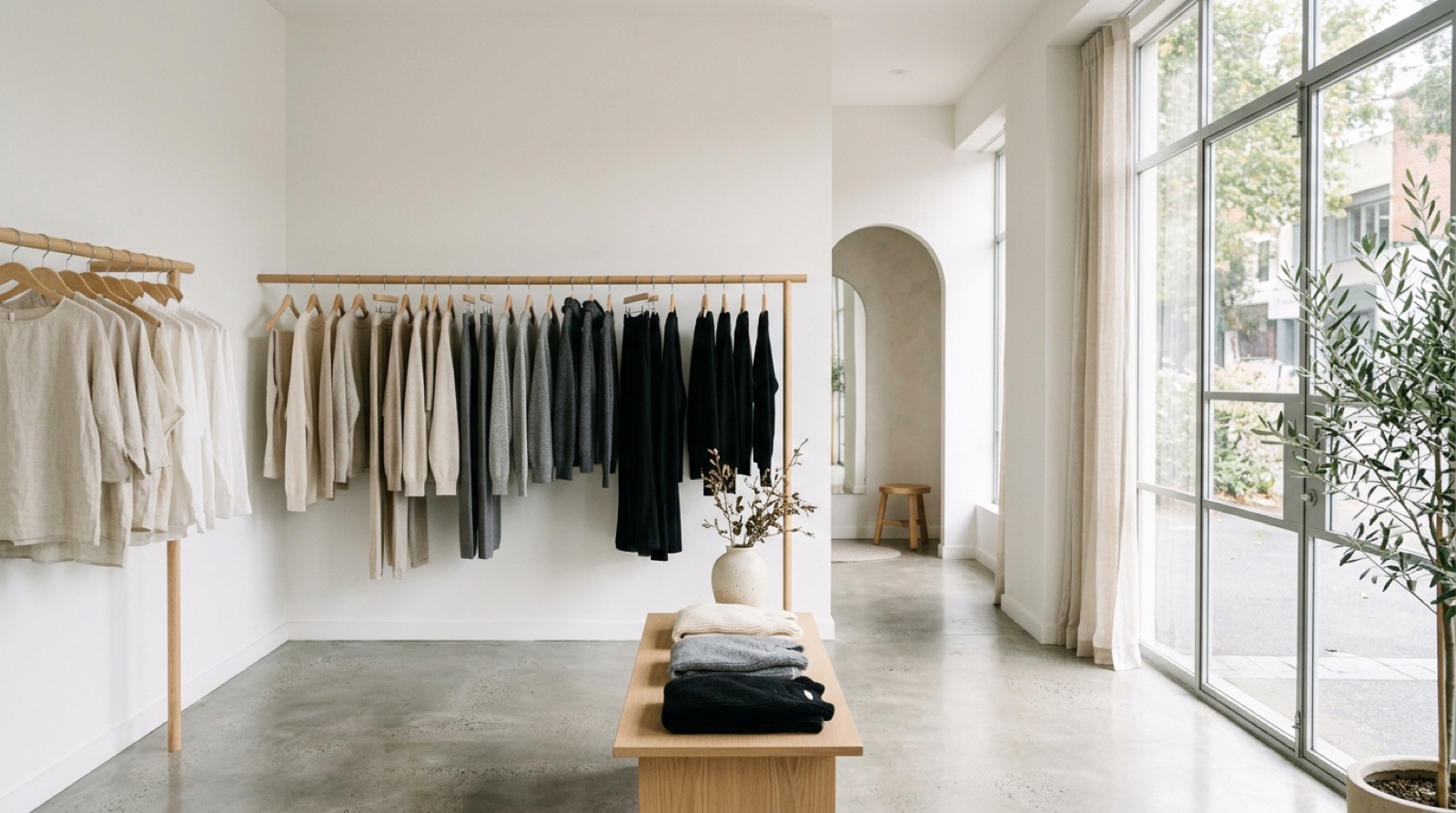
Teardown: Oak + Fort Opened 26 Stores in Four Years. Revenue Stayed Flat.
A Vancouver fashion brand with a consistent minimalist look grew to 42 stores, then needed creditor protection in 2025. What Oak + Fort shows about expanding faster than your model.

Teardown: Breka Owns the Hours Nobody Else Wants
A Vancouver bakery that keeps every location open 24/7 grew from one shop to nine on a single promise. What Breka shows about competing on availability when everyone else competes on taste.

Teardown: Vessi Sells a Claim You Can Test Under a Tap
A Vancouver sneaker brand pre-sold waterproof shoes on Kickstarter, let customers film their own water tests and grew on paid social. Lessons on provable claims and rented audiences.
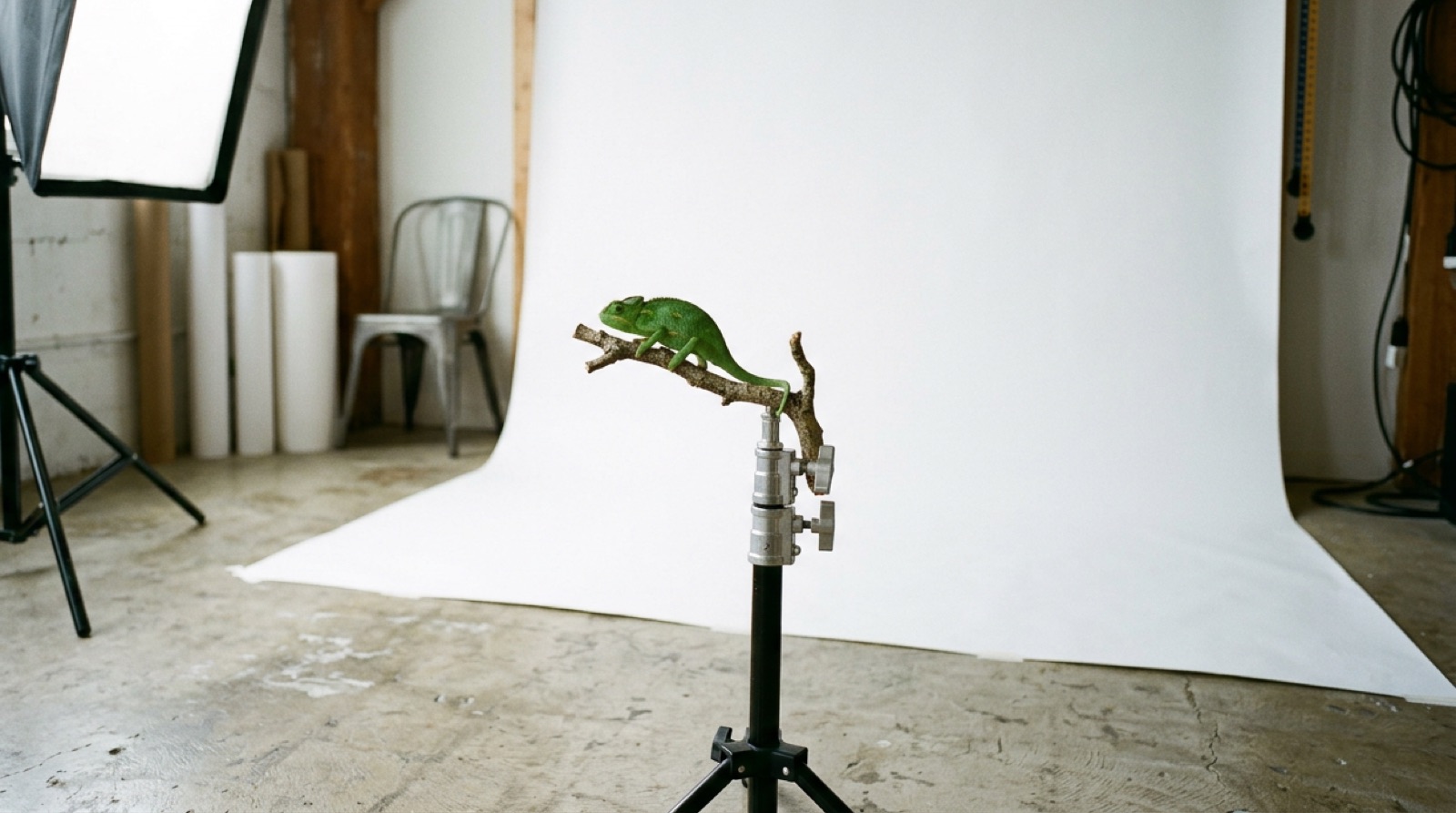
Teardown: How TELUS Kept the Same Critters for a Quarter Century
TELUS's animals-on-white look started at a rival it bought, then survived agency changes, a tagline update and AI production. Why owning a visual frame beats chasing a new campaign idea.

Teardown: Science World Sells Curiosity One True Fact at a Time
Science World's first big-idea campaign bombed. Two decades of small, true, surprising facts did not. What a cash-strapped charity shows small businesses about advertising on a budget.
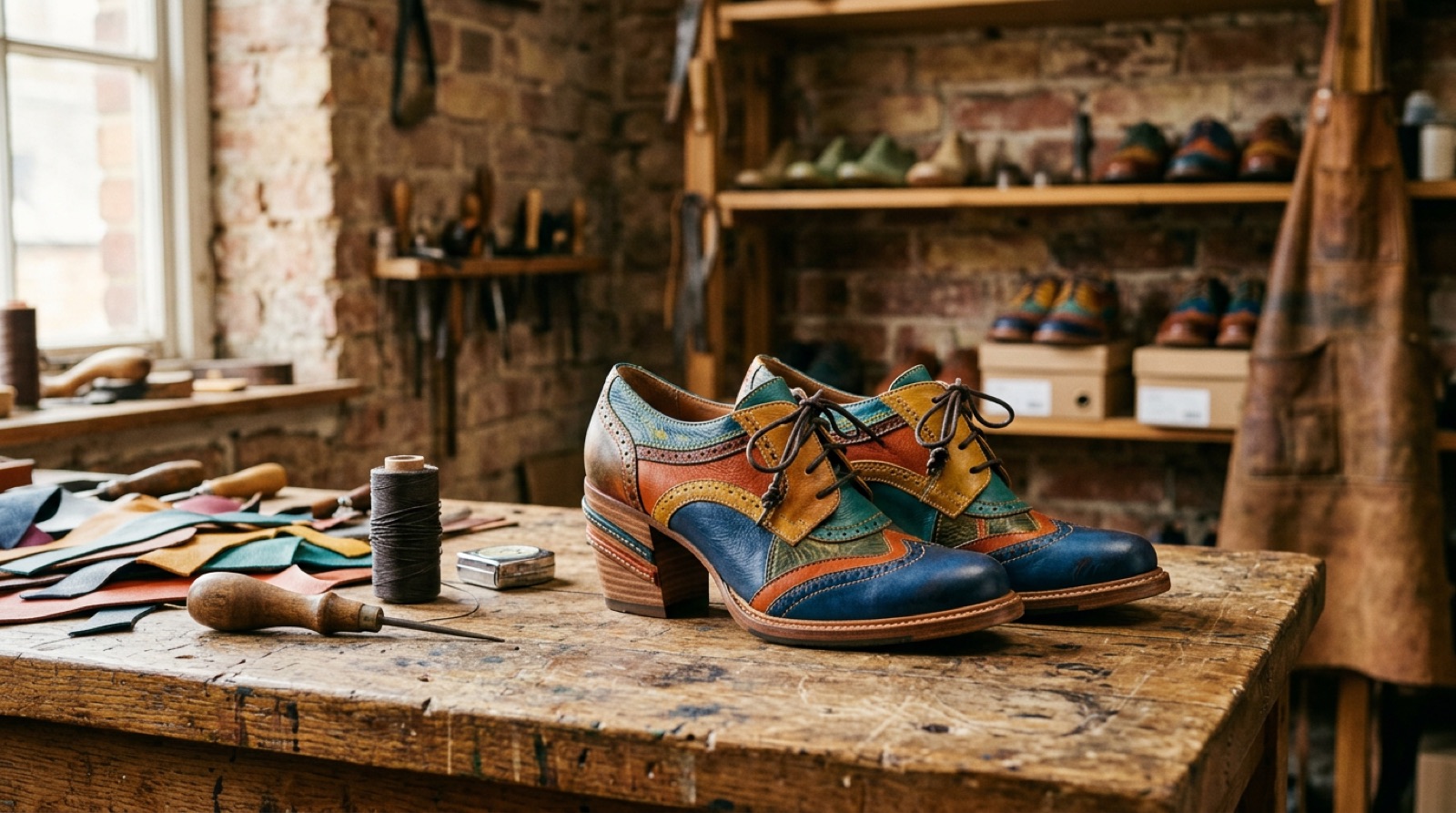
Teardown: Fluevog Turned Its Customers Into Co-Authors
A Gastown shoe shop founded in 1970 let customers design shoes, vote on its ads and gather at their own festival. What Fluevog shows about building a brand people join, not just buy.
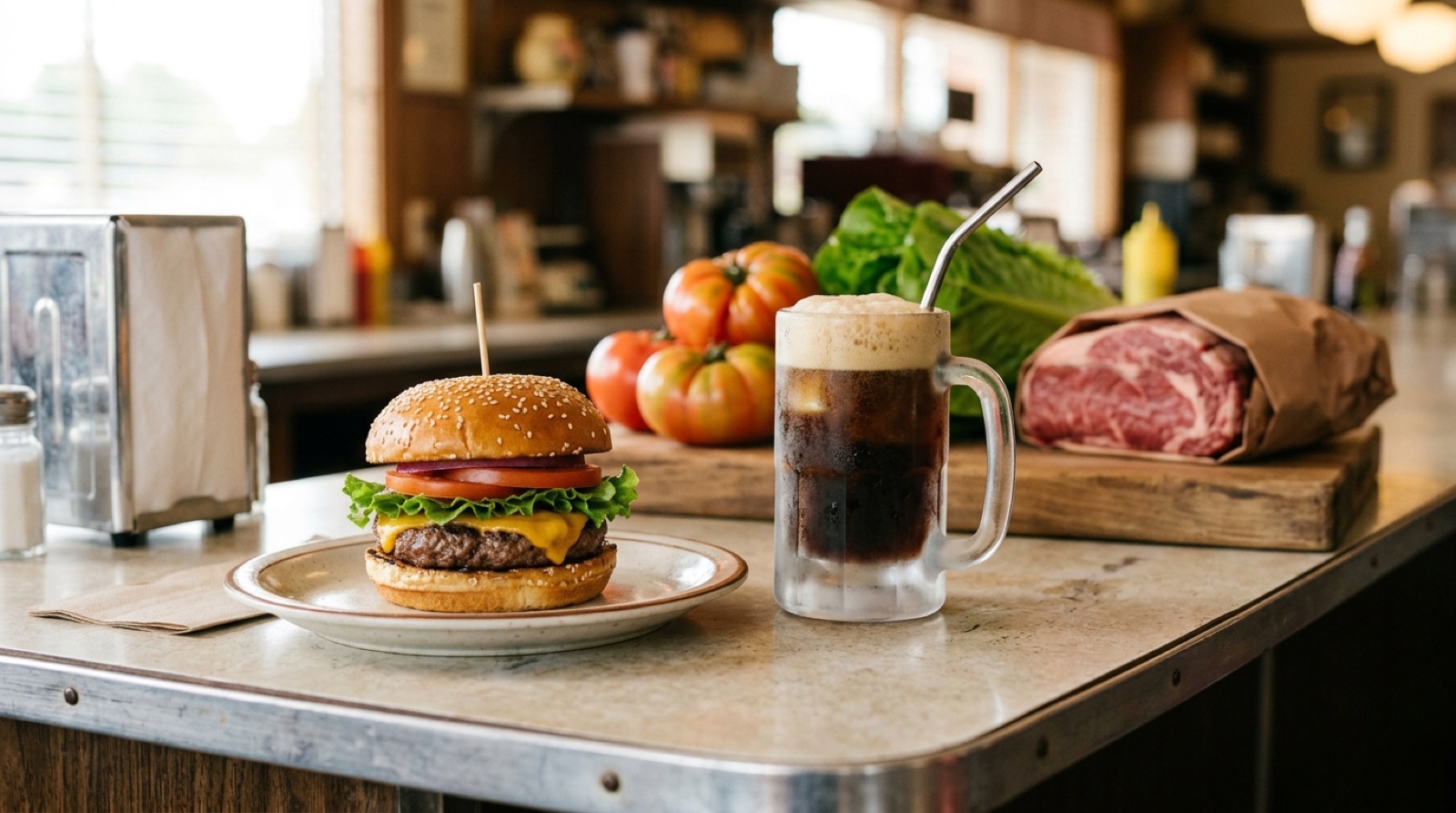
Teardown: A&W Canada Couldn't Outsize McDonald's — So It Changed What the Fight Was About
Canada's A&W split from the US chain in 1972 and bet its identity on ingredients. The Better Beef playbook: build the supply quietly, then make one specific, checkable claim.

Teardown: Purdys Sold Only in Its Own Shops for 118 Years — Then Walked Into a Supermarket
Purdys sold only in its own shops for 118 years, then walked into Save-On-Foods in 2025. What a century of channel discipline buys a local brand, and when to break it.
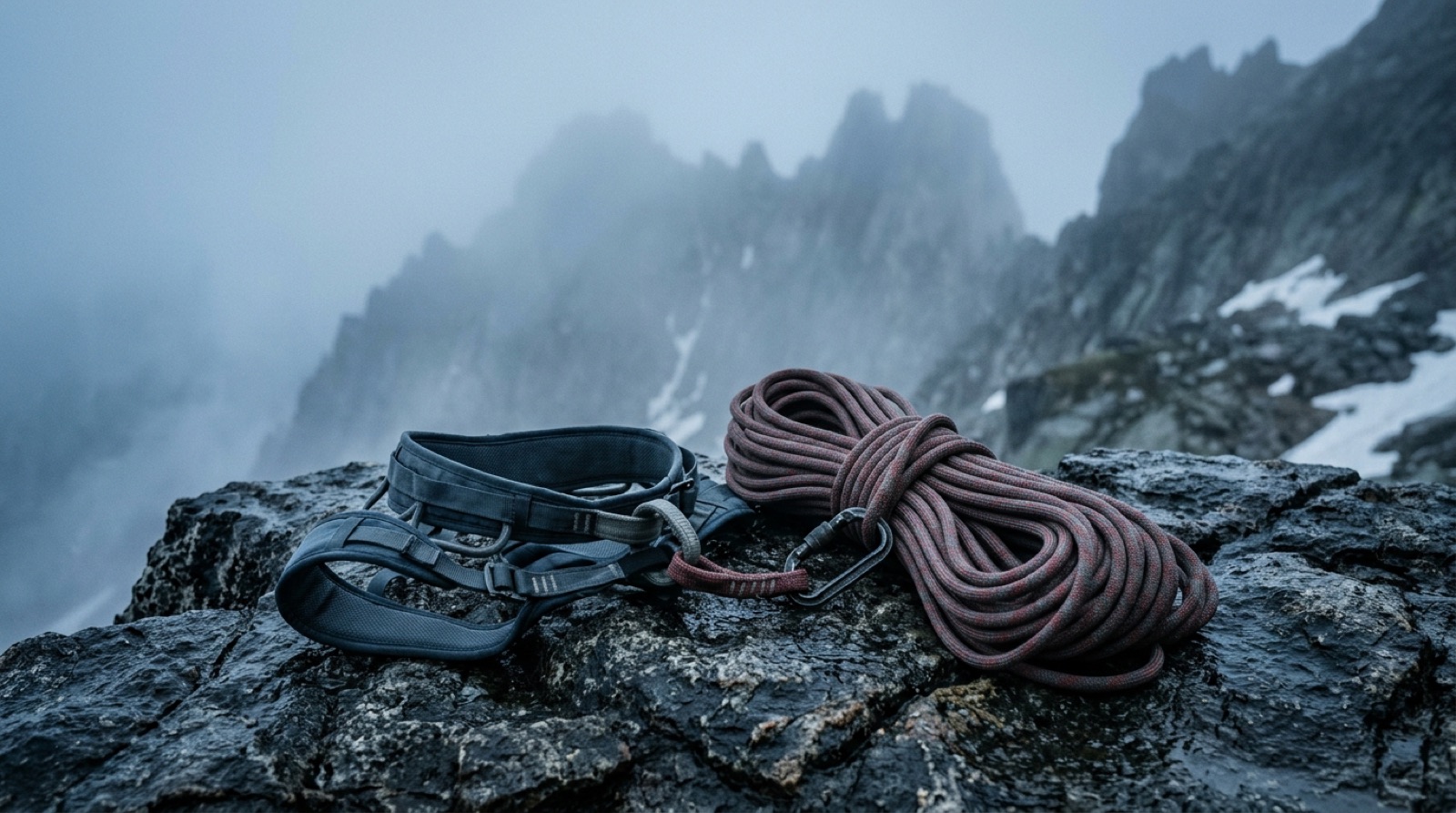
Teardown: Arc'teryx Built a Luxury Brand by Starting Where Failure Kills You
North Vancouver, 1989: it started as a climbing-harness maker under another name. The lesson isn't the jackets — credibility earned where failure kills you is the only kind that transfers.

Teardown: Herschel Named Itself After a Saskatchewan Hamlet — and That Specificity Is the Whole Brand
Two Vancouver brothers entered the most commoditized category imaginable in 2009 and won on design, not features: one borrowed name, one signature detail, zero invented heritage.

Teardown: Saje Sells a Symptom, Not a Category — and That's Why You Can Name Its Products
Saje began as a single kiosk at Lonsdale Quay in 1992 and now runs about 70 stores. The mechanism: name the remedy after the problem, then let customers recommend it out loud.

Teardown: How T&T Built Canada's Biggest Asian Grocer by Serving Two Customers at Once
T&T opened its first store in Burnaby in 1993 and now runs more than 40 across Canada and the US. The strategy isn't translation: it's two complete customer journeys in one building.

Teardown: How Roots Sells Canada — and Why It's Huge in Taiwan
A beaver logo, salt-and-pepper sweats, and a cabin that never existed. How Roots turned Canadian-ness into a product — and became a bigger deal in Taipei than in Toronto.

Teardown: What Lush Proved by Quitting Social Media
In 2021 Lush walked away from Instagram, Facebook, TikTok and Snapchat — and kept selling. What the exit reveals about owned channels, and what local businesses can steal.
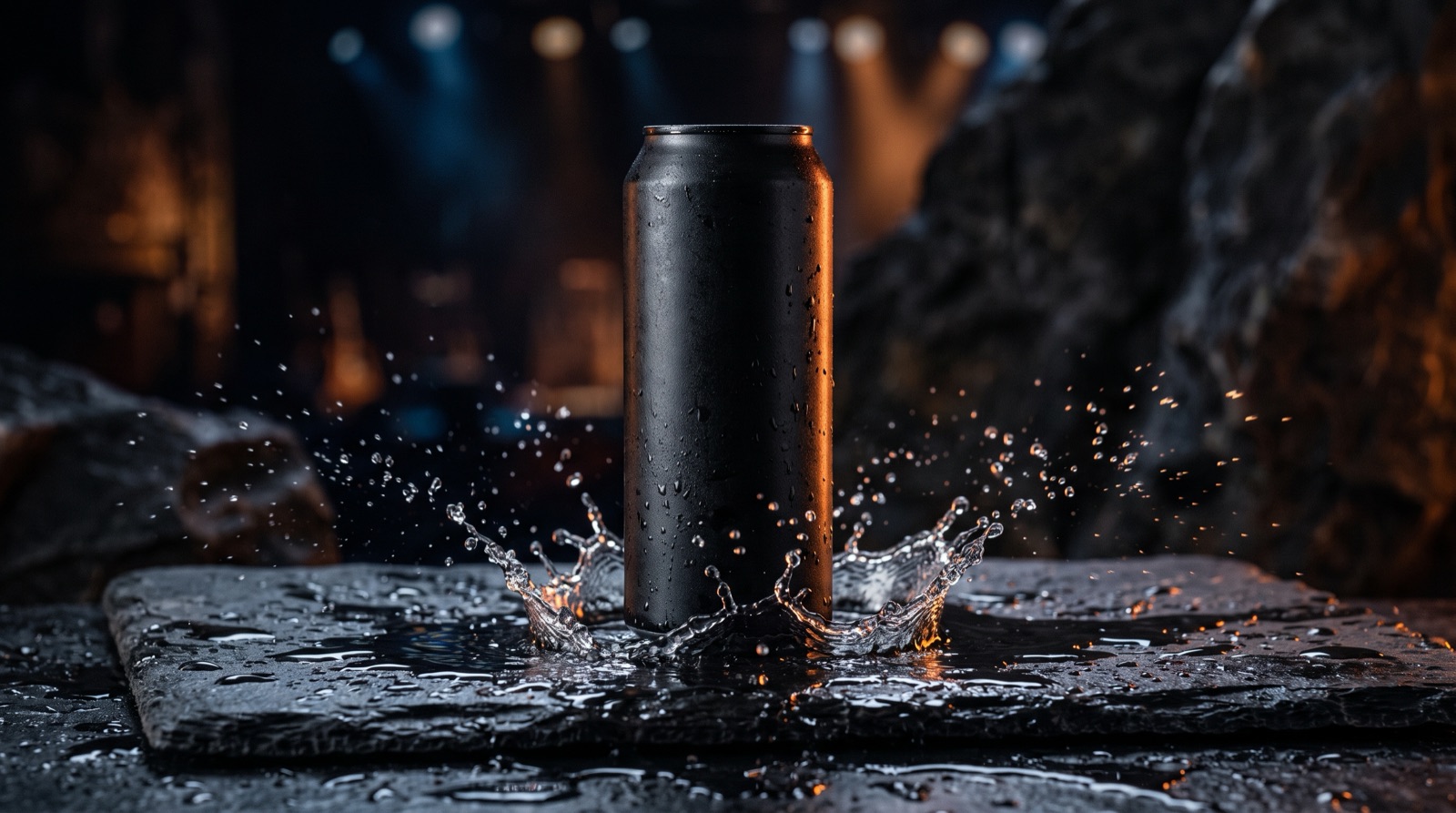
Teardown: Liquid Death — Selling Water Like a Rock Band
How a canned-water brand used heavy-metal branding and entertainment-first content to build a moat out of pure brand — and what local businesses can steal from it.

Case Study: Level Best Concrete Lifting — Making Technical Work Impossible to Ignore
Local SEO and GEO for a concrete-lifting company: city-by-city job stories that rank, structured answers AI can cite, and a RedNote presence competitors don't have.
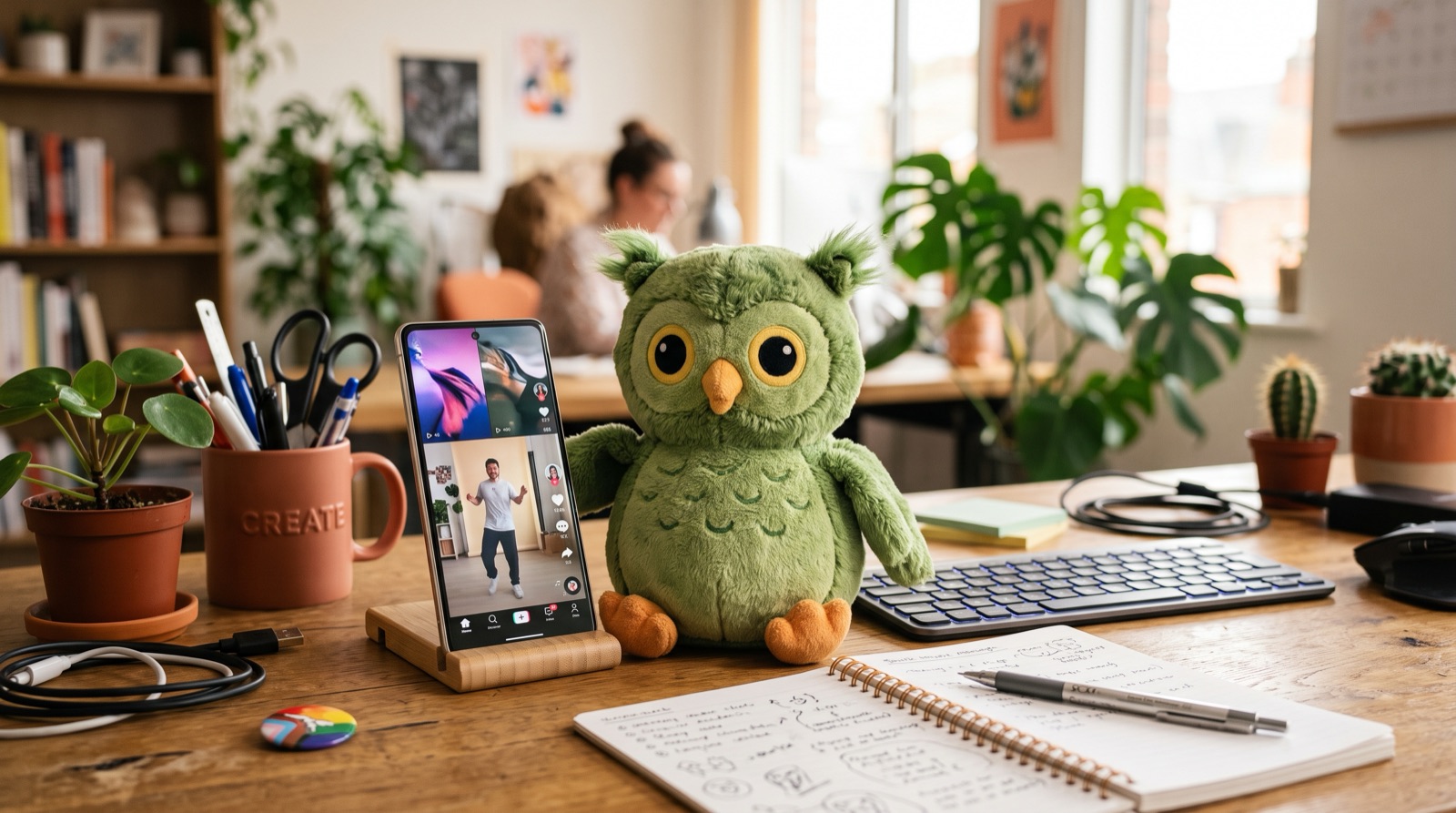
Teardown: Duolingo's Unhinged Social Voice — and When You Should (and Shouldn't) Copy It
How Duolingo's chaotic owl became the most-copied brand voice on social — and why most imitators fail. What a Vancouver business can actually borrow.

Teardown: What Roll Up the Rim Teaches About Gamified Loyalty
An outside teardown of Tim Hortons' Roll Up the Rim: how a printed rim turned coffee into a national ritual, and four lessons for local businesses on gamified loyalty.
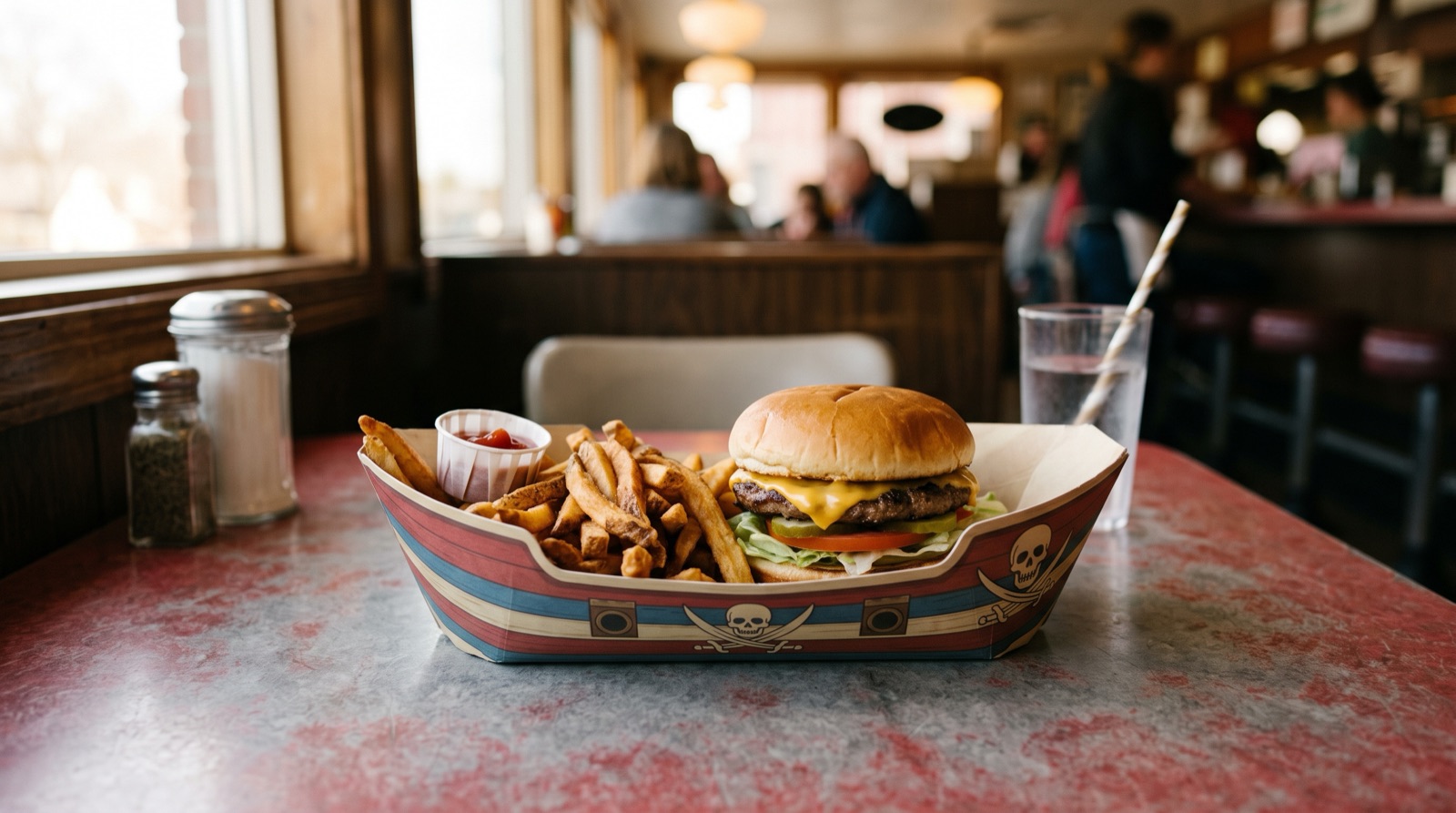
Teardown: How White Spot Turned Nostalgia into a Moat
An outside teardown of BC's oldest restaurant chain: how White Spot turned pirate ships, secret sauce, and 90+ years of consistency into a moat competitors can't copy.

Teardown: How Aritzia Turned Quiet Consistency into Social Power
Aritzia rarely shouts, yet it dominates fashion TikTok. We break down the Vancouver retailer's playbook — and the lessons local businesses can steal.

Teardown: Why lululemon's Community Marketing Works
An outside teardown of the Vancouver-born athleisure giant: how lululemon built evangelists before ads — and five lessons any local business can steal.

How Xiaohongshu (RED) Makes Vancouver Restaurants Go Viral
Xiaohongshu is the discovery engine for Chinese-speaking diners in Metro Vancouver. We break down the viral pattern — and what restaurant owners can actually do with it.