Teardown: Liquid Death — Selling Water Like a Rock Band
Liquid Death is not a Kuipra client — this is an outside teardown based entirely on widely known public information about one of the most-discussed challenger brands of the past decade.
And it deserves the discussion, because Liquid Death sells the most commoditized product imaginable: water. No proprietary formula, no functional edge, nothing a blind taste test would reward. Which makes it the purest branding case study you’ll ever find. Strip away everything else, and what’s left — the entire moat — is brand.
Here’s how they built it, and what a local business can actually take from it.
The premise: water marketed like a band, not a beverage
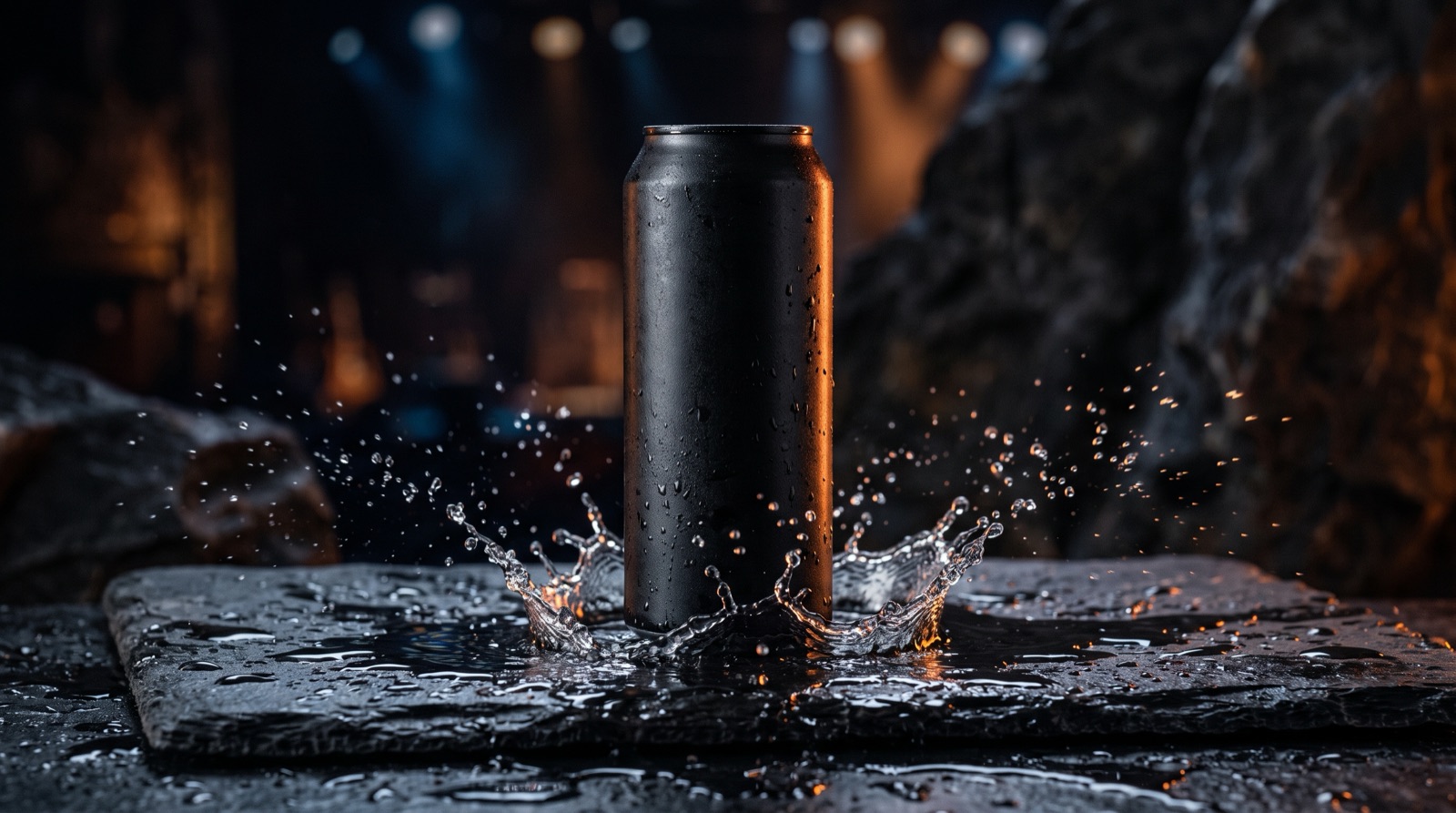
Founder Mike Cessario spent years as an ad creative before launching the brand in 2019. His observation was simple and slightly heretical: every healthy product is marketed the same way — serene, clinical, pastel, forgettable — while the fiercest brand loyalty on earth belongs to metal bands, skate brands, and beer companies. So he put mountain water in a beer-style tallboy can, slapped a melting skull on it, and gave it the tagline “Murder Your Thirst.”
Every category convention got inverted at once. Health products whisper; Liquid Death screams. Water brands promise purity; Liquid Death promises murder — of your thirst. The can looks so much like beer that holding one at a party became part of the appeal.
The lesson isn’t “add skulls.” It’s that category conventions are a list of assumptions nobody has audited. When everyone in your category zigs identically, zagging is the cheapest differentiation available.
Entertainment first, product second
Liquid Death has repeatedly described itself as an entertainment company that happens to sell water. That’s not a cute line — it’s an operating model. The content output — comedy sketches, absurd viral stunts, celebrity collaborations, a merch line with genuine demand — is built to be watchable on its own merits. The product cameos; it doesn’t pitch.
This matters because the math of attention has flipped. Advertising interrupts people who didn’t ask for it, and they’ve learned to skip it. Entertainment is something people choose — and when they choose it, the brand rides along for free. We saw the same engine in our Duolingo social media teardown: the owl’s chaotic TikTok presence works because it entertains first and converts as a side effect.
For a local business the bar is lower than you’d think. The question isn’t “how do we promote our product on social?” It’s “what would our customers watch even if we sold nothing?” Answer that, and distribution gets dramatically cheaper.
Repelling people on purpose
Here’s the uncomfortable part: a skull-covered water can genuinely puts a lot of shoppers off. That’s not a bug. Extreme positioning works precisely because it repels the majority — the sharpness that pushes most people away is the same sharpness that binds a tribe tightly. Fans don’t just drink Liquid Death; they wear the merch, buy the limited drops, and treat the brand as identity. Merch as belonging, not merchandise.
A brand engineered to offend no one is a brand engineered to be forgotten by everyone. As we argued in brand strategy vs. marketing tactics, deciding who you’re not for is a strategy-level choice — and it has to be made deliberately, before the tactical pressure to please everybody kicks in.
The substance underneath the theater
The theatrics sit on a real position: “Death to Plastic.” Aluminum cans are infinitely recyclable, and the sustainability angle gives the rebellion a purpose beyond aesthetics. That combination — genuine substance wrapped in outrageous packaging — is what separates a brand from a prank.
What a local business can steal
- In commodity categories, brand IS the differentiation. If your product is functionally similar to your competitors’ — coffee, cleaning, fitness, accounting — the brand isn’t decoration on the offer. It is the offer.
- Find the convention and invert it. List everything every competitor does identically: the tone, the colors, the promises, the stock photos. Pick one and deliberately break it.
- Make content people would watch anyway. Entertainment-first content earns attention that advertising has to rent.
- Sell belonging, not just product. Merch, membership, insider drops — anything that lets your best customers wear the flag.
The caveat: total commitment or nothing
One warning before you sprint off to redesign your logo with flames: this playbook only works at full volume. A half-heavy-metal water brand — skulls on the can, corporate-speak on Instagram — would just be confusing. Liquid Death commits everywhere: packaging, content, merch, hiring, tone of every reply. Consistency is what turns a gimmick into a position. If you’re not prepared to commit completely, a quieter but equally consistent position will beat a loud but wobbly one every time.
Want help finding the convention your category is begging you to break? Email Charlene at Kuipra and let’s talk.
Frequently Asked Questions
Why did Liquid Death choose heavy-metal branding for water?
Founder Mike Cessario, a former ad creative, noticed that healthy products were all marketed the same way — clean, clinical, and forgettable — while the most loyal fandoms belonged to bands and beer brands. Putting water in a beer-style tallboy can with a skull on it inverted every category convention at once, which made a commodity product instantly recognizable.
What does it mean that Liquid Death calls itself an entertainment company?
The company has repeatedly described itself as an entertainment company that happens to sell water. In practice that means its content — comedy sketches, absurd stunts, celebrity collaborations, merch drops — is made to be genuinely watchable on its own, not to push product. When attention is the scarce resource, content people choose to watch beats advertising they try to skip.
Can a small business really use the Liquid Death playbook without offending customers?
The transferable lesson is not the skulls — it is the willingness to invert your category's conventions and accept that a sharp position repels some people. A bakery, gym, or clinic can pick the one convention every competitor follows and deliberately break it. The caveat: it only works with total commitment, because a half-committed version just reads as confusing.
Keep reading


Get in touch